
All courses
-
Newton’s Greatest Contribution to Humankind
Newton wins Wren prize proving Kepler and Copernicus to have...
4 Enrolled -
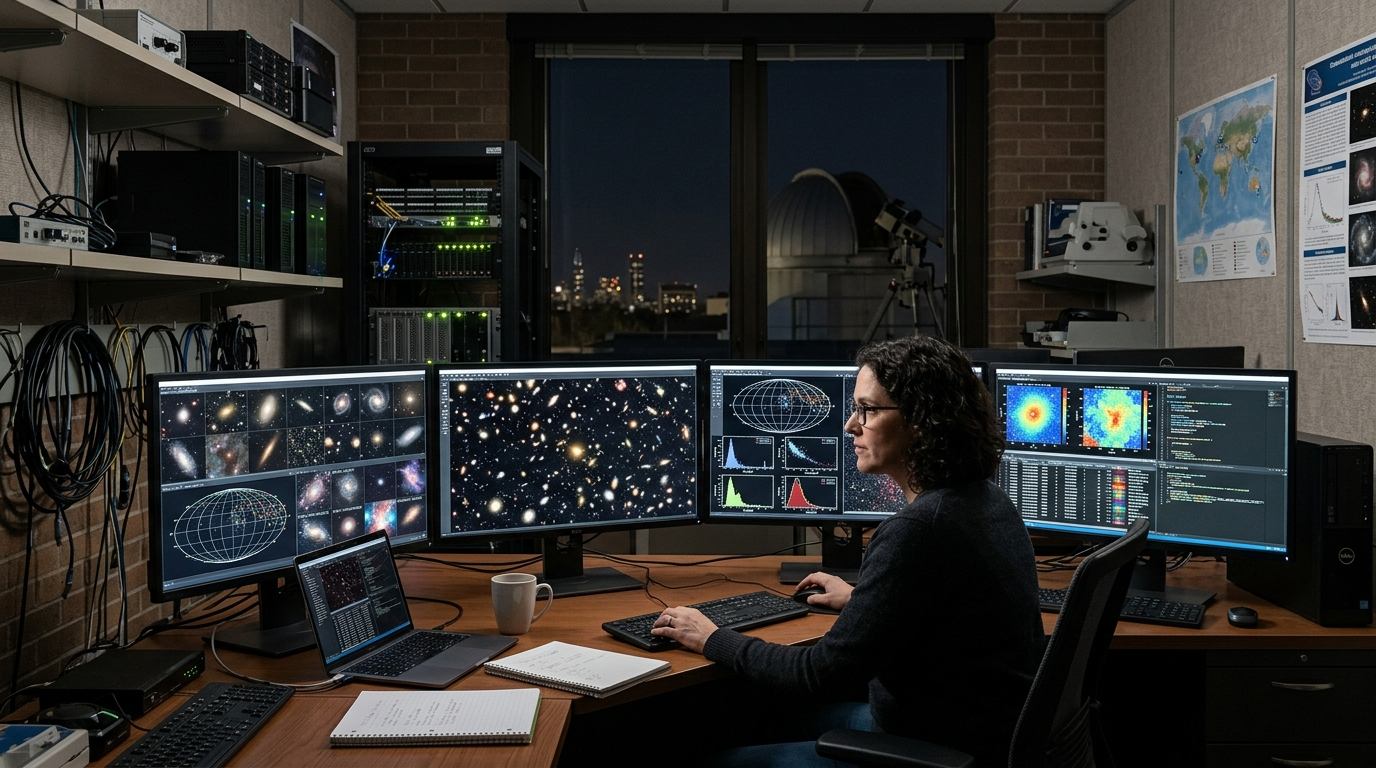
Using the Tools of the Sloan Digital Sky Survey
The database provides photometric and spectroscopic data of millions of...
9 Enrolled -
Stellar Spectra: Blackbodies or Not?
Using Sloan data, you will compare actual stellar spectra to...
5 Enrolled -
Black Body Radiation and What the Stars Tell Us
This module is a summary of the relation between temperature,...
8 Enrolled -
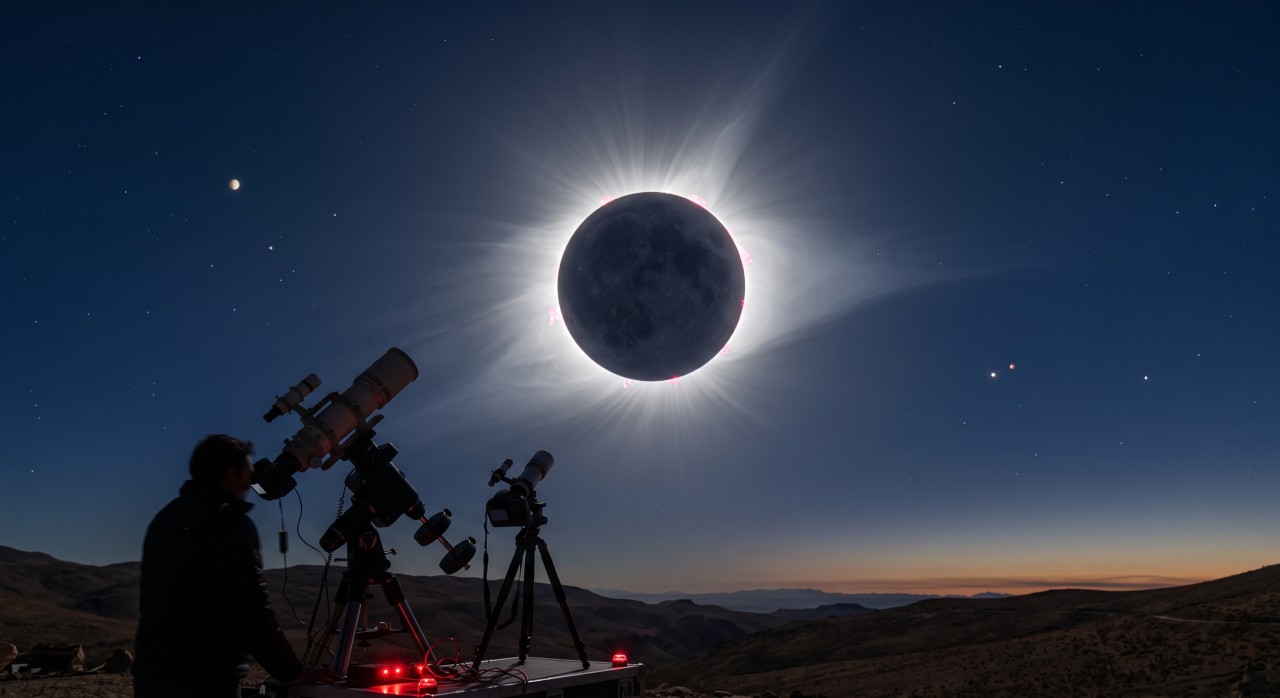
Solar Eclipses (High School)
In this project, students learn about the causes, types and...
5 Enrolled -
Electromagnetic Waves – A Sea of Information
This course is to help students focus on their efforts...
5 Enrolled -
A Scavenger Hunt in the Sloan Digital Sky Survey
The Sloan Digital Sky Survey has seen many kinds of...
8 Enrolled -
The Universe
Author: Kathy Gustavson with permission from the Education Team for the Sloan...
5 Enrolled
-
Asteroids, Comets, and Meteors
Lessons By: Denise Wright, Myrtle Beach, South Carolina
-
-
The Hubble Diagram
The idea that we live in an expanding universe is one of the most unexpected and important discoveries of 20th century physical science. In this project, you will retrace Edwin Hubble's discoveries, seeing the same...
-
Newton’s Greatest Contribution to Humankind
Newton wins Wren prize proving Kepler and Copernicus to have been correct in asserting heliocentric planetary motion marking the beginning of the Age of Reason.
-
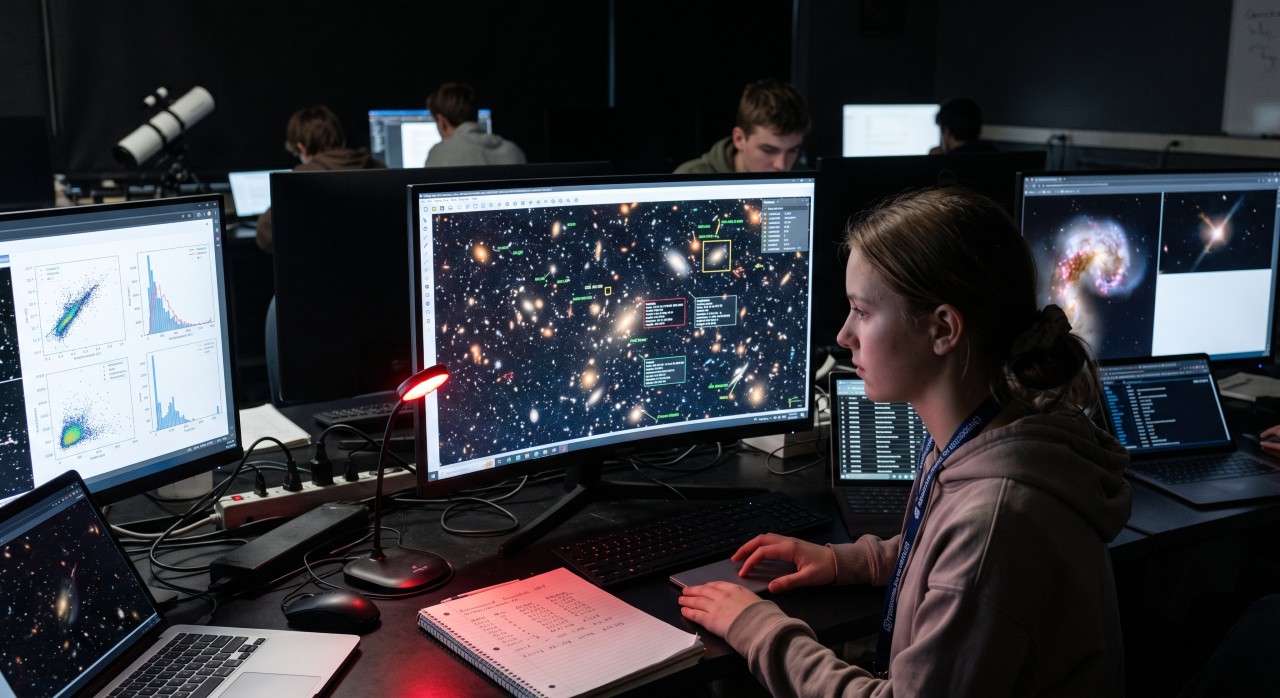
Using the Tools of the Sloan Digital Sky Survey
The database provides photometric and spectroscopic data of millions of astronomical objects. This project will introduce you to the use of several simple tools.
-
Stellar Spectra: Blackbodies or Not?
Using Sloan data, you will compare actual stellar spectra to ideal blackbody curves. Can stars be modeled as the image suggests? Manager: Kathy Gustavson
-
Black Body Radiation and What the Stars Tell Us
This module is a summary of the relation between temperature, energy, and the light emitted by the objects we see in the universe.
-
Solar Eclipses (High School)
In this project, students learn about the causes, types and other notable features of solar eclipses.
-
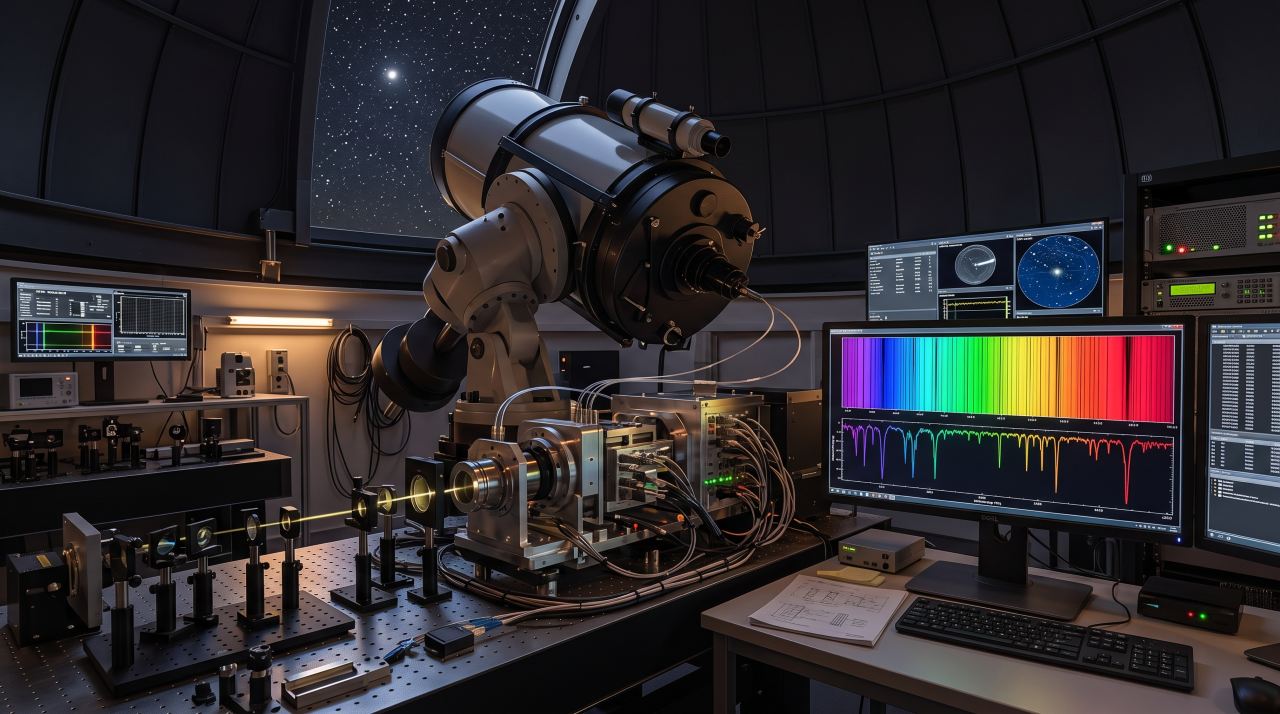
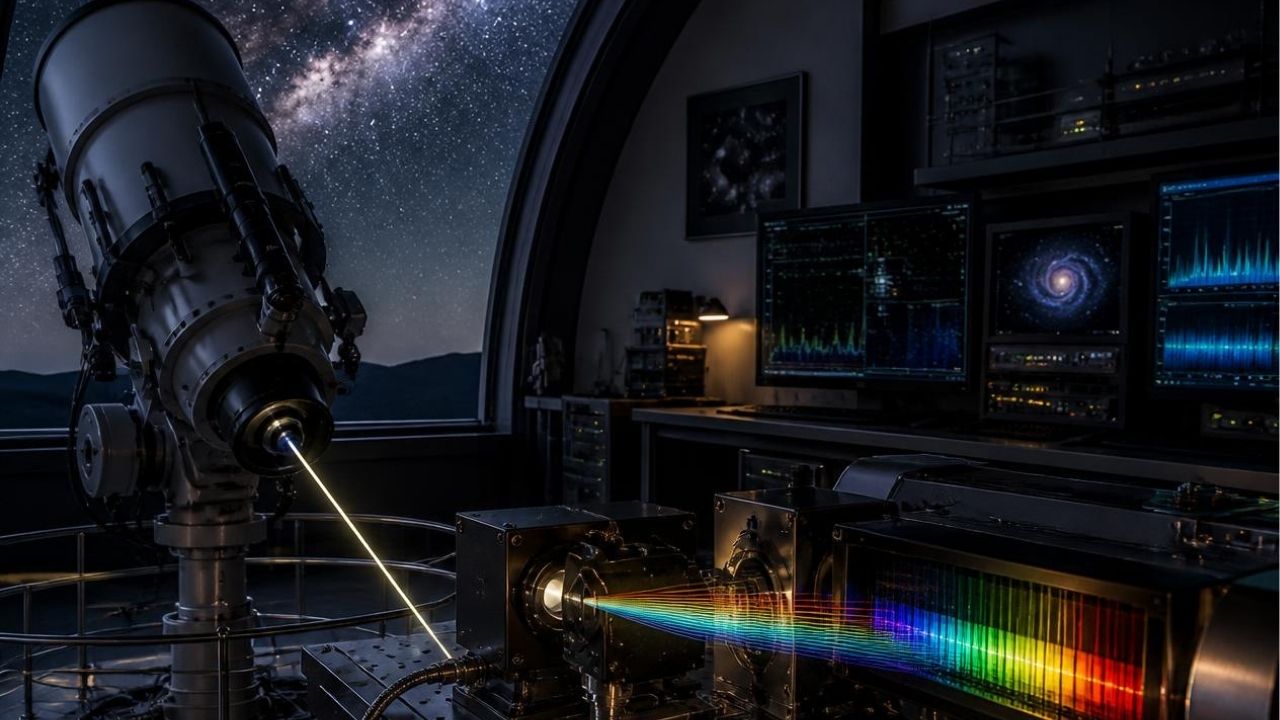
Spectroscopy
The spectrum of an object is a graph of the intensity of radiation vs wavelength. A blackbody will give a continuous spectrum. But what causes the lines in the other types of spectra? Can these...
-
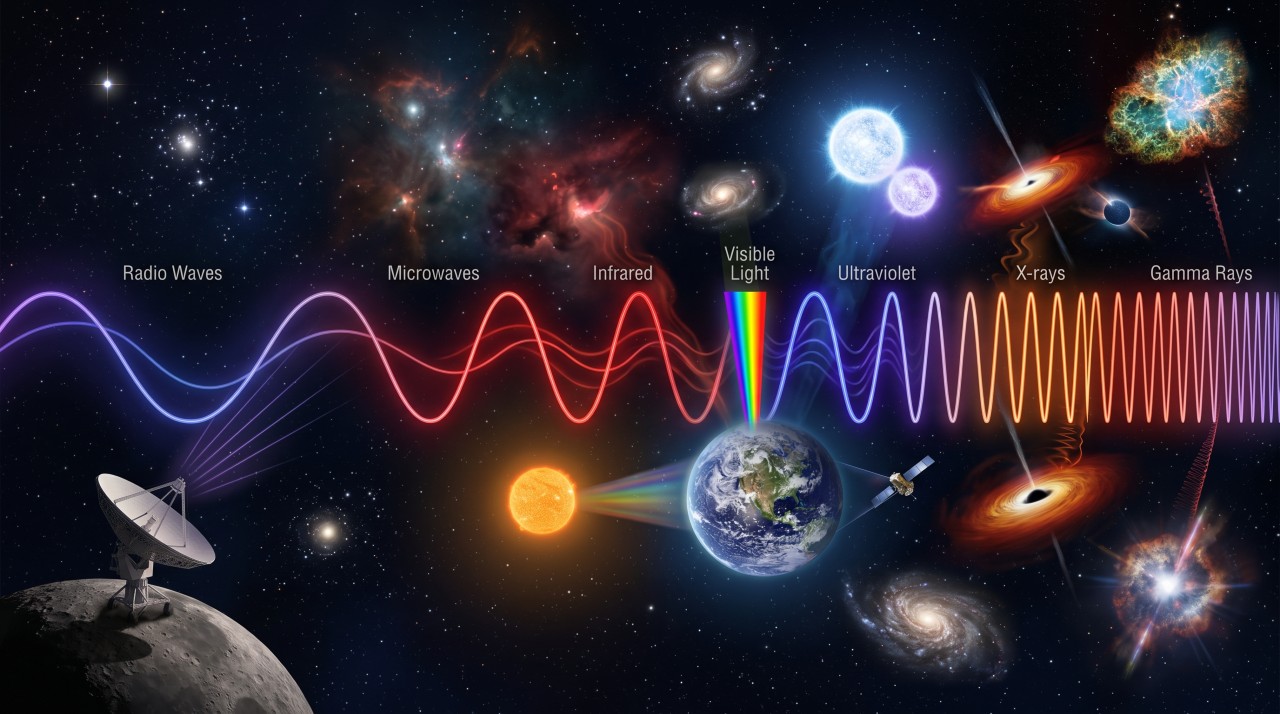
Electromagnetic Waves – A Sea of Information
This course is to help students focus on their efforts in the task of learning about electromagnetic waves. Topic areas: The characteristics and production of the waves. How astronomers use these waves to study the...
-
A Scavenger Hunt in the Sloan Digital Sky Survey
The Sloan Digital Sky Survey has seen many kinds of objects in the sky: stars, galaxies, quasars, asteroids, comets and meteors. In this scavenger hunt, you will look for a list of these different types...
-
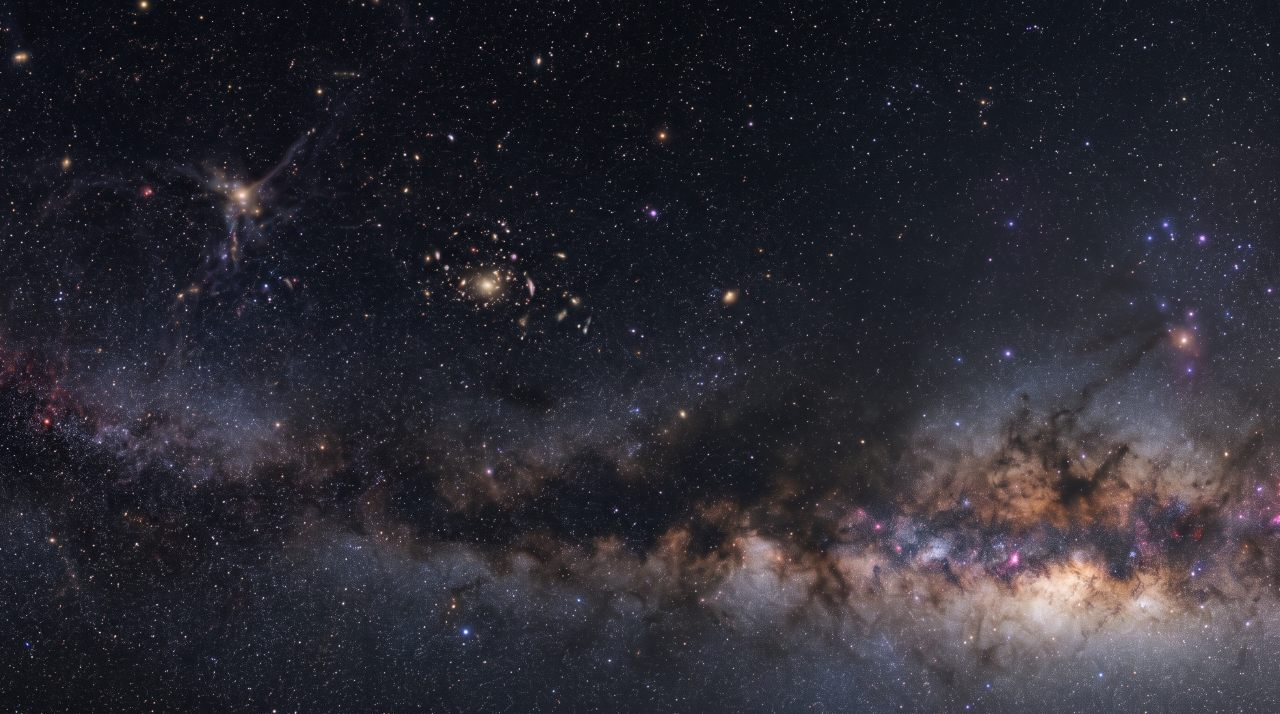
The Universe
Author: Kathy Gustavson with permission from the Education Team for the Sloan Digital Sky Survey Age Level: High School (14+), University